
Contamination remains one of the biggest challenges facing composting and anaerobic digestion facilities across Australia and New Zealand. As food and organics collections expand, processors are increasingly tasked with removing plastic film, packaging, glass, metals and other impurities that can compromise product quality, reduce recovery rates and limit market acceptance.
Advanced decontamination technologies are now playing a critical role in delivering cleaner feedstocks and improving plant performance. Solutions such as the WESTERIA AirStar® Windsifter and TOMRA’s sensor-based sorting technology combine mechanical and intelligent separation methods to efficiently remove contaminants from organic material streams, helping operators maximise resource recovery while meeting increasingly stringent quality requirements.
Whether implemented as standalone upgrades or integrated into complete processing facilities, these technologies are enabling a new generation of high-performance organics recycling plants. Through partnerships with leading global technology providers, CEMAC technologies supplies both individual equipment solutions and complete decontamination systems tailored to the needs of composting, anaerobic digestion and organics processing operations.
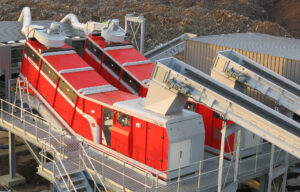
The WESTERIA AirStar® Windsifter utilises carefully controlled airflow and touch button control adjustments to separate lightweight and heavy contaminants such as plastic films, foils and packaging as well as rocks and glass from organic materials. The technology delivers highly accurate separation while reducing manual sorting requirements and improving the efficiency of downstream equipment. By removing troublesome light fractions early in the process, facilities can achieve cleaner feedstocks and reduce operational costs.
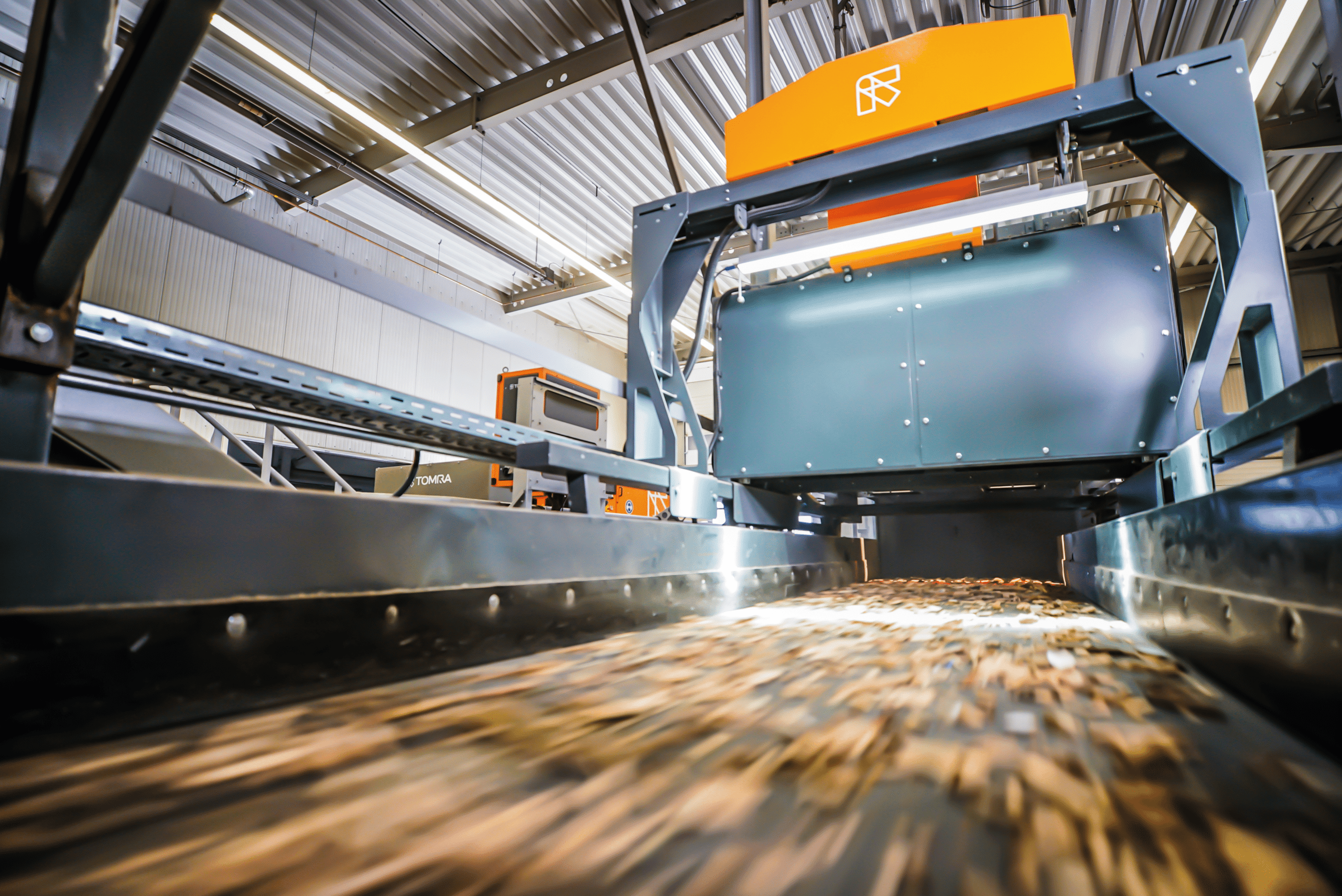
For applications requiring even higher levels of purity, TOMRA’s sensor-based sorting technology, led by the AUTOSORT™ system and its advanced near-infrared (NIR) sensor technology, provides advanced contaminant removal using optical sensors, near-infrared detection and intelligent software. The system can accurately identify and eject plastics, glass, metals and other unwanted materials, significantly improving the quality of compost feedstock and digestate streams. Importantly especially for compost is that the TOMRA scanning technology is fully enclosed and dust proof, designed for up to 50 C without additional cooling needed. The patented and highly advanced Flying Beam technology allows for minimum light exposure, reducing power demand and risks for fires.
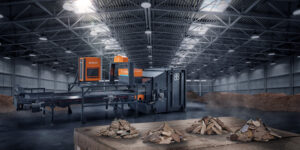
Together, windsifting and sensor sorting provide a highly effective approach to organics decontamination, helping facilities increase recovery rates, improve product quality and minimise contamination-related risks. From individual technology upgrades through to complete turnkey processing plants, CEMAC technologies works with organics processors to design and deliver proven solutions that support efficient operations, regulatory compliance and the production of higher-value end products.
 W: https://www.cemactech.com/
E: info@cemactech.com
P: 03 8400 6066